Chevrolet Silverado and GMC Sierra EV Trucks Wheel Cracks
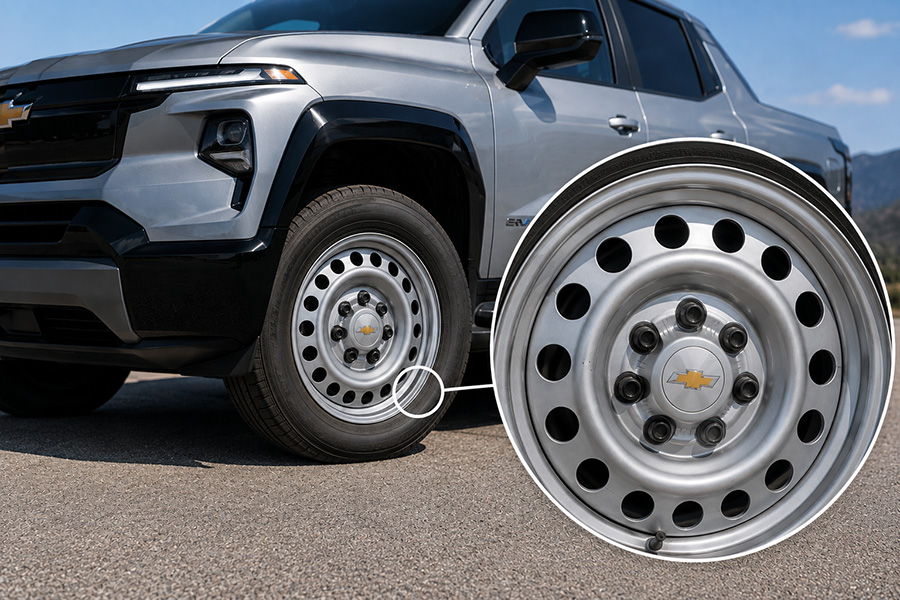
A manufacturing defect affecting the wheels on certain 2026 Chevrolet Silverado EV and 2026 GMC Sierra EV trucks has prompted a safety campaign after engineers discovered that some steel wheels may develop cracks over time.
According to the National Highway Traffic Safety Administration (NHTSA), the problem could increase the risk of losing steering control if a damaged wheel eventually separates while driving.
Although no crashes or injuries have been reported, General Motors is replacing affected wheels to address the issue before failures occur.
Which Vehicles Are Affected?
The safety campaign includes certain:
- 2026 Chevrolet Silverado EV
- 2026 GMC Sierra EV
Approximately 952 vehicles may be affected.
What Is the Problem?
General Motors identified a manufacturing defect involving one or more of the truck's steel road wheels and, in some cases, the steel spare wheel.
During the manufacturing process, the vent holes stamped into the wheel disc may have developed tiny hairline cracks. These cracks are not always visible and can gradually grow larger as the vehicle is driven.
If the damage progresses, the wheel disc could eventually crack around the vent holes and separate.
Why Is This Dangerous?
A cracked wheel is more than just a maintenance issue.
If the wheel disc separates while the vehicle is in motion, the driver could experience a significant reduction in steering control, increasing the likelihood of a crash.
Because the cracks may begin as microscopic defects inside the wheel, many drivers would have no indication that a problem exists until the damage becomes severe.
What Caused the Defect?
GM traced the issue to a manufacturing process used by one of its wheel suppliers.
According to the investigation, the equipment used to form the outer ring of the wheel's vent holes was not properly adjusted. During supplier fatigue testing, engineers discovered hairline cracks forming around those vent holes and determined they could spread over time with normal driving.
The company then identified vehicles that may have received wheels from the affected production lots.
How Was the Issue Discovered?
The investigation began on April 9, 2026, after a GM engineer submitted a report through the company's Speak Up for Safety program. The wheel supplier had informed GM that certain wheels may have been shipped before meeting the company's internal fatigue-testing requirements.
GM officially opened an investigation on May 19, 2026.
Engineers reviewed manufacturing records, supplier testing results, and production data before identifying the affected vehicles.
As of the decision to launch the safety campaign:
- No crashes have been reported
- No injuries have been reported
- No customer complaints have been linked to the defect
Even without reported incidents, replacing potentially defective wheels helps prevent future failures.
How Will the Problem Be Fixed?
General Motors dealers will inspect the affected vehicles and replace any defective wheels free of charge.
This inspection includes both the road wheels and, where necessary, the spare wheel.
Owner notification letters are expected to begin mailing on September 14, 2026.
What Should Owners Do?
Owners of a 2026 Chevrolet Silverado EV or 2026 GMC Sierra EV should watch for their notification letter or contact a GM dealer to determine whether their vehicle is included.
You can also check your Vehicle Identification Number (VIN) using the NHTSA VIN lookup tool to see if your vehicle is affected.
If your truck is included, scheduling the inspection promptly is the best way to ensure the wheels are safe and performing as designed.
Campaign Information
- NHTSA Campaign Number: 26V-496
- GM Campaign Number: N262556920
- Manufacturer: General Motors, LLC