California EV Owners Navigate Water Damage, Warranty Exclusions and California Lemon Law
Severe El Niño weather brings heavy rainfall, atmospheric rivers, and coastal surges across California. While all motorists face road hazards during flood season, electric vehicle owners encounter a distinct set of legal and mechanical challenges following water exposure.
Understanding how environmental water damage differs from warranty-covered manufacturing defects is critical when evaluating your legal protections under California Lemon Law.
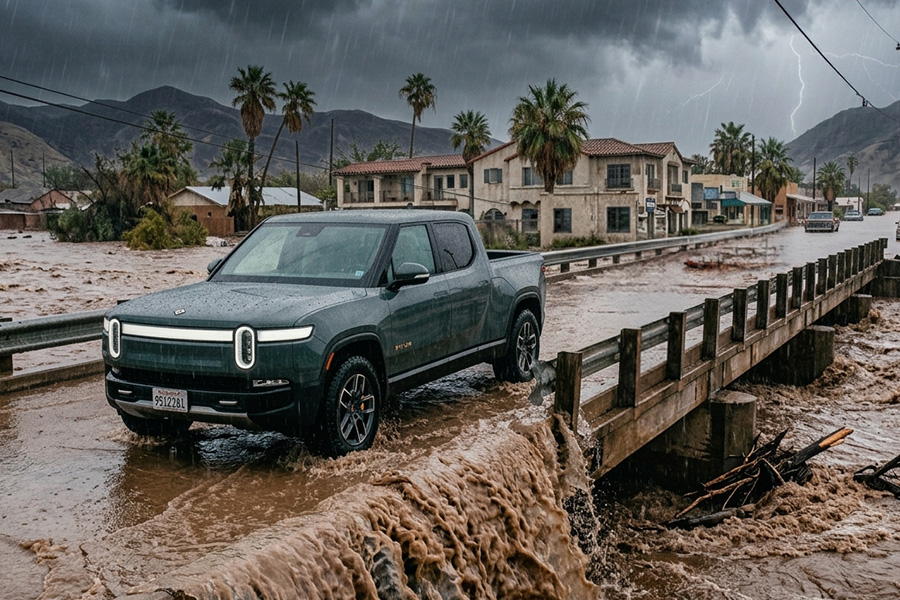
Flood Damage vs. Manufacturing Defects: Key Differences
California Lemon Law protects consumers who purchase or lease vehicles with substantial defects covered under the manufacturer's express warranty. However, the source of the vehicle's failure determines whether a claim qualifies under state law.
- Environmental Water Intrusion: Vehicle damage caused directly by external floodwaters, storm surges, or driving through submerged roads is classified as environmental damage. Warranties explicitly exclude repairs resulting from natural disasters or accidents. These claims fall under comprehensive auto insurance rather than lemon law protections.
- Factory Seal Defective Water Leaks: If your EV experiences water leaks inside the cabin, trunk, or battery pack during ordinary rain due to poor weather stripping, improperly sealed chassis seams, or defective body design, these issues fall under warranty coverage. Persistent design flaws that allow water ingress can qualify for a lemon law claim if the dealer fails to repair them after reasonable attempts.
Common EV Electrical Issues and Warranty Coverage
Electric vehicles rely on high-voltage battery packs, onboard chargers, sensitive control modules, and extensive software networks. Recognizing whether an electrical issue is tied to a factory defect helps protect your consumer rights.
- Pre-Existing Battery and Charging Failures: If your EV exhibits battery management failures, rapid capacity degradation, or onboard charger errors prior to storm exposure, these are covered manufacturing defects.
- Post-Flood Electrical Failures: Exposure to standing saltwater or deep floodwaters can corrode wiring harnesses, trigger short circuits, or cause delayed thermal events. Dealers can easily identify water line marks, corrosion, or sediment inside components, which leads to immediate warranty claim denials.
Qualifying Criteria for a California Lemon Law Claim
To establish a valid claim under California’s Song-Beverly Consumer Warranty Act for an electric vehicle, specific legal conditions must be met:
- Active Warranty Coverage: The defect must arise while the vehicle is still covered under the original manufacturer's factory or certified pre-owned warranty.
- Substantial Impairment: The issue must significantly impair the vehicle’s use, value, or safety.
- Reasonable Repair Opportunities: Authorized dealerships must be granted a reasonable number of attempts to fix the same issue—typically two or more attempts for serious safety hazards, or four attempts for general defects.
- Days Out of Service: The vehicle remains in the repair shop for a cumulative total of 30 or more days for warranty-covered repairs.
Essential Steps for EV Owners Facing Vehicle Defects
-
Schedule Service with Authorized Dealers
Always bring your vehicle to an authorized dealership for repairs to ensure all attempt logs are officially documented under warranty records. -
Maintain Detailed Service Records
Keep copies of every repair order and invoice. Ensure the service advisor accurately writes down your specific complaints regarding battery errors, charging failures, or water leaks. -
Separate Flood Claims from Factory Defects
If your vehicle was submerged during a storm, contact your auto insurance provider immediately. If your vehicle is suffering from recurring electrical or software defects unrelated to storm submergence, document those symptoms separately for warranty review. -
Consult a Lemon Law Attorney
If an automaker refuses to honor warranty obligations for recurring electrical defects or falsely attributes factory defects to external storm damage, seek a professional legal evaluation to protect your rights.