2026 Toyota C-HR Electrical Issue
Toyota Motor Engineering & Manufacturing recently identified a software programming defect in certain 2026 Toyota C-HR Battery Electric Vehicles (BEVs). The National Highway Traffic Safety Administration (NHTSA) filed campaign number 26V-570 to document the situation, which impacts 8,521 potential units.
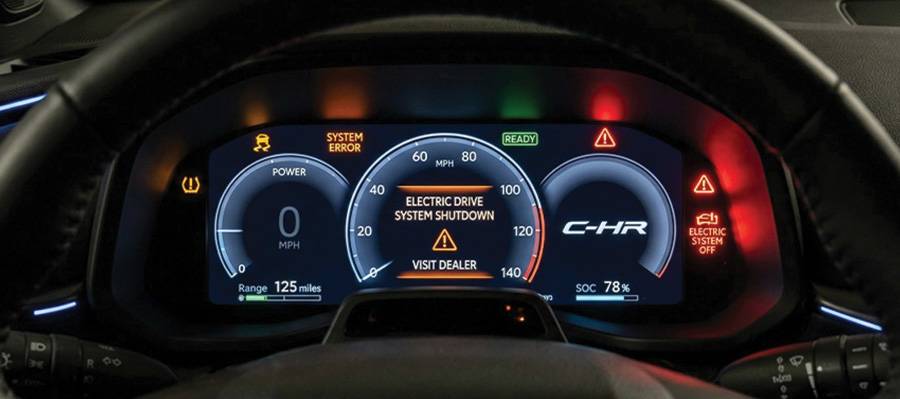
The primary concern centers around an unexpected loss of drive power caused by a glitch in the vehicle's charge protection system.
What Causes the Problem?
The issue lies within the Battery Electric Vehicle Electronic Control Unit (BEV ECU). This unit uses specialized software logic designed to manage and cap battery charging levels.
Due to an incorrect software parameter, the drive battery can become overcharged under specific driving conditions:
- High State of Charge: The battery is already nearly full.
- Extended Regenerative Mode: The vehicle coasts downhill for long distances, feeding energy back into the system.
- Cold Temperatures: Low ambient temperatures aggravate the charging limitation issue.
When these conditions overlap, the system’s overcharge protection triggers. Warning dashboard lights illuminate and an interior warning buzzer sounds immediately before the electric drive system shuts down. A sudden shutdown at highway speeds increases the risk of a crash.
How Toyota Discovered the Defect
Toyota caught the programming flaw through internal testing rather than real-world customer incidents:
April 2026: Discovery in Development
During development testing for a future BEV model, engineers spotted an incorrect parameter in the BEV ECU software. A review across current models revealed the same incorrect code in 2026 C-HR vehicles.
July 2026: Simulation & Bench Testing
Toyota ran vehicle simulations under high battery charge states and low temperatures. Testing confirmed that long downhill stretches with active regenerative braking could force an overcharge shutdown.
August 28, 2026: Safety Campaign Decision
Toyota formally decided to initiate a voluntary safety action to address the software flaw. As of August 26, 2026, Toyota confirmed zero field technical reports or warranty claims related to this issue in the U.S.
The Solution for Vehicle Owners
Campaign Information & Details:
- NHTSA Campaign Number: 26V-570
- Toyota Campaign Code: 26TA17
- Affected Units: 8,521 battery electric vehicles
- Official Remedy: BEV ECU software update at authorized dealers
- Owner Notification Date: Letters expected to ship around October 18, 2026
Authorized Toyota dealership service departments will update the software in the BEV ECU to correct the charging logic. Affected owners should keep an eye on their mailboxes in mid-October for official instructions.